QCready Now Checks Browser Quantum-Safe Readiness
QCready now checks browser PQC support. See why quantum-safe browsers matter for end-to-end TLS and which major browsers support hybrid KEMs.
QCready now checks whether your browser supports post-quantum cryptography (PQC), not just your servers. We added this because a quantum-safe TLS connection requires both ends of the handshake to support PQC algorithms. If only your server is ready, you’re still exposed.
TL;DR: QCready now checks whether browsers support post-quantum TLS, not just servers. That matters because end-to-end quantum-safe connections require both sides of the handshake to be ready.
Why browser PQC support matters
Post-quantum cryptography refers to algorithms designed to resist attacks from quantum computers. Traditional encryption methods like RSA and ECC could be broken by quantum algorithms such as Shor’s algorithm, which would expose data transmitted over the internet.
Server-side PQC gets most of the attention, but browser support matters just as much. Browsers negotiate the TLS handshake that sets up the encrypted connection. If your browser doesn’t support PQC key exchange algorithms, it can’t complete a quantum-safe handshake even with a server that’s fully ready. You end up with a gap in coverage that’s easy to miss.
How the browser check works
QCready tests whether your browser can negotiate PQC key exchanges and reports the result alongside your server checks. It’s free for most use cases. If you need a more thorough TLS health survey across your infrastructure, SSLboard.com covers that.
Which browsers support PQC today
Based on Cloudflare’s PQC support documentation, here’s where things stand:
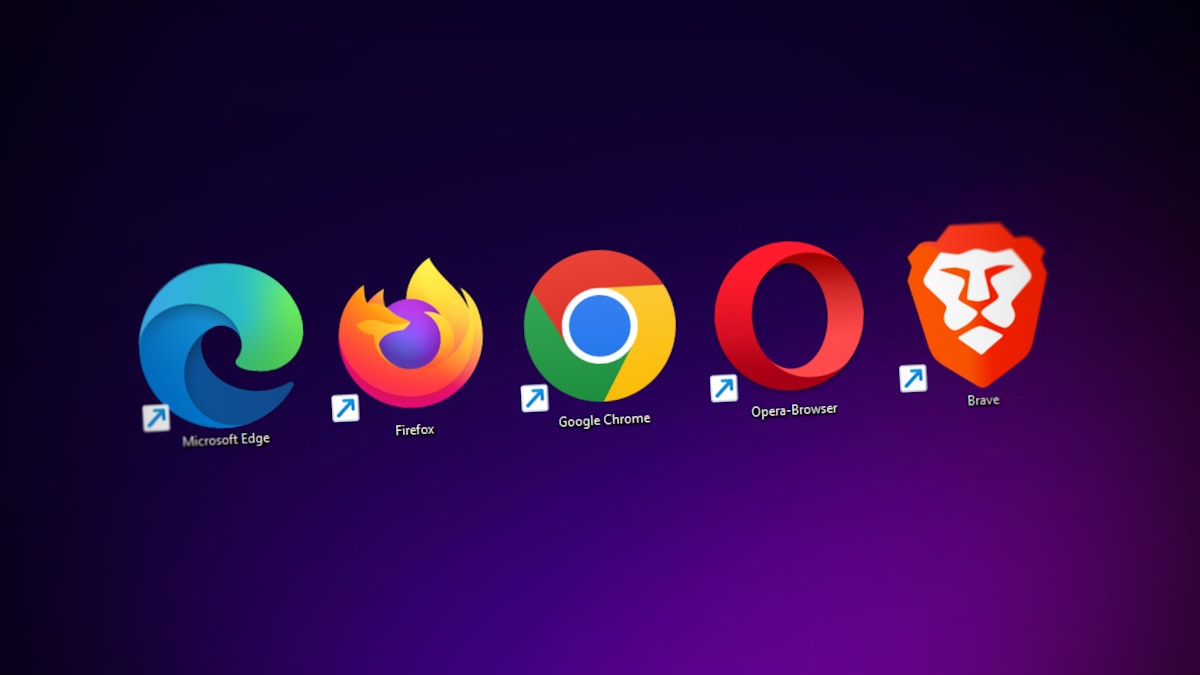
- Chrome and Chromium-based browsers have full support for Kyber and X25519Kyber key exchange since version 124.
- Firefox implements Kyber and X25519Kyber in recent versions.
- Safari includes PQC algorithms in its latest releases, focused on Kyber.
- Edge, being Chromium-based, inherits Chrome’s PQC support.
All of these browsers use hybrid key exchange, running classical and quantum-safe algorithms together during the transition period.
What comes next
Browser vendors are actively shipping PQC updates, and coverage will keep expanding. The main thing to watch for is whether your specific browser version actually negotiates PQC, since support sometimes depends on feature flags or update channels.
FAQ
What is post-quantum cryptography?
PQC refers to cryptographic methods designed to be secure against attacks from quantum computers.
Why do browsers need PQC support?
Browsers negotiate the TLS connection. Without PQC algorithm support, they can’t establish a quantum-safe session even if the server supports it.
How does QCready check browser readiness?
QCready tests your browser’s ability to perform PQC key exchanges and reports whether quantum-safe negotiation succeeded.
Are all browsers PQC-ready?
Not yet. Check Cloudflare’s PQC support page for current compatibility.
You can test your browser and server PQC support at QCready.com. For full TLS health analysis, see SSLboard.com.
Photo by Denny Müller on Unsplash